-33%
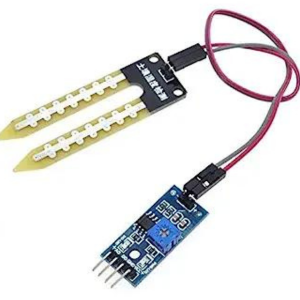
Resistive Soil Humidity Hygrometer Moisture Sensor
Description A soil moisture sensor is an electronic device designed to measure the amount of water present in soil. It is commonly used in agricultural applications to help farmers monitor the moisture levels in their crops’ soil and make informed decisions about irrigation and fertilization. The sensor consists of two probes that are inserted into the soil at a certain depth. One probe measures the voltage or resistance of the soil, while the other probe acts as a reference point. The difference in voltage or resistance between the two probes is used to determine the moisture content of the soil. The sensor can provide real-time data on soil moisture levels, allowing farmers to adjust irrigation schedules and prevent overwatering or underwatering. This can lead to more efficient water use and higher crop yields. Some advanced soil moisture sensors can also measure soil temperature and salinity, providing additional information that can be used to optimize crop growth. Soil moisture sensors are available in various types and sizes, ranging from simple handheld devices to complex systems that can monitor multiple sensors at once. They can be used in a variety of settings, including farms, gardens, and research facilities, and are an essential tool for modern agriculture